University Teaching Experience
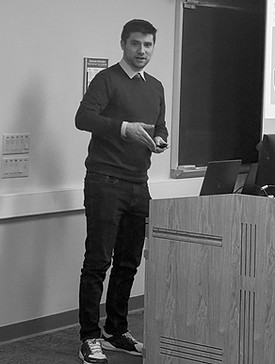
I’ve been deeply involved in teaching at both the undergraduate and graduate levels. At Penn State, I have served multiple semesters as a Senior Lead Teaching Assistant for BIOL 220W: Biology of Populations and Communities, where I worked closely with faculty to improve course content, redesign laboratory curricula, develop instructional materials, and mentor teaching assistants. I also taught multiple laboratory sections of BIOL 220W, supporting undergraduate learning in population genetics, ecology, and evolution. At the graduate course level, I served as a Guest Lecturer and Teaching Assistant for Genomics 551, introducing graduate students to modern genomics techniques and their applications in current research. My teaching approach is grounded in hands-on experience and formal training in evidence-based instructional methods, resulting in strong student engagement and learning outcomes.
Feedback from former students
Below you can find selected feedback received from previous students. Feedback was collected via anonymous end-of-semester surveys conducted for the University.
“Troy was more than willing to engage with students [beyond the] standard expectations [for a TA], in order to more fully incorporate [students] into the curiosity of biology."
“He has enhanced my learning and critical thinking abilities."
“He is a role model not only for us as undergraduate students, but for other TAs [as well].”
View More Below
Cycle through more examples of feedback received from students
DIRECT CONTRIBUTIONS AS A TEACHER AT PENN STATE
Rubric Design and Assessment Reform
Created, revised, and standardized grading rubrics for nearly all assignments in BIOL 220. These revisions significantly improved grading efficiency and consistency among TAs, reduced ambiguity in assessment, and made expectations clearer and more transparent for students. The updated rubrics supported fairer grading practices, facilitated TA calibration, and strengthened alignment between learning objectives and evaluation criteria.
Clarification and Rewriting of Assignment Requirements
Rewrote and refined assignment instructions and learning outcomes to improve clarity, accessibility, and alignment with course goals in BIOL 220. These changes minimized student confusion, reduced the volume of clarification requests, and helped students better understand performance expectations prior to submission, leading to higher-quality student work and more efficient grading.
Laboratory Curriculum Redesign
Fully redesigned multiple laboratory exercises in BIOL 220 from the ground up, replacing assignments with clearer, purpose-driven activities. The redesigned labs emphasized conceptual understanding by attempting to explicitly connect technical tasks to underlying biological questions. Additional instructional supports and alternative tools were incorporated to help students avoid common pitfalls and to accommodate diverse learning strategies. These changes improved student engagement, reduced frustration, and enhanced the overall educational value of hands-on laboratory work.
Instructional Materials Development
Revised and adapted instructional presentations used in BIOL 220 laboratory sessions to improve clarity, pacing, and pedagogical effectiveness. Materials were updated to align with redesigned laboratory exercises and to support clearer explanations of experimental concepts and procedures.
TA Mentorship and Professional Development
Played a central role in mentoring teaching assistants, with particular emphasis on supporting new TAs transitioning into instructional roles. Provided ongoing guidance on classroom management, grading practices, student communication, and effective teaching strategies, fostering confidence, consistency, and professional growth within the TA team.
Leadership in TA Meetings and Course Operations
Led multiple teaching assistant meetings and regularly assisted in facilitating additional meetings. These meetings focused on preparing TAs to teach each laboratory effectively, including strategies for explaining complex concepts, managing time and student questions, and handling common challenges in lab settings. This leadership helped ensure consistent instructional quality across sections.
Impact on TA Effectiveness and Teaching Quality
Returning teaching assistants consistently reported that the redesigned rubrics, clarified assignment expectations, and restructured laboratory activities substantially improved their teaching experience. TAs noted increased efficiency in grading, and fewer student misunderstandings during labs. They also reported these changes also led to noticeable improvements in the overall quality of student work and understanding.
Student Feedback Summary
Feedback from students collected via anonymous end-of-semester surveys (see direct quotes above) highlights my commitment to student learning: students noted that I went beyond standard expectations to engage them in the curiosity of biology, enhanced their critical thinking abilities, and served as a role model both for peers and other TAs. Several students also emphasized the value of my constructive and positive feedback on lab assignments, which helped them improve their work and deepen their understanding of the material.